Web vs Mobile Apps — Which One Should Businesses Build?
Choosing between web apps and mobile apps is a crucial decision for businesses planning digital growth. This guide compares web application development and mobile app development in terms of cost, performance, scalability, and user experience, helping organizations select the right platform to enhance customer engagement and long-term success.
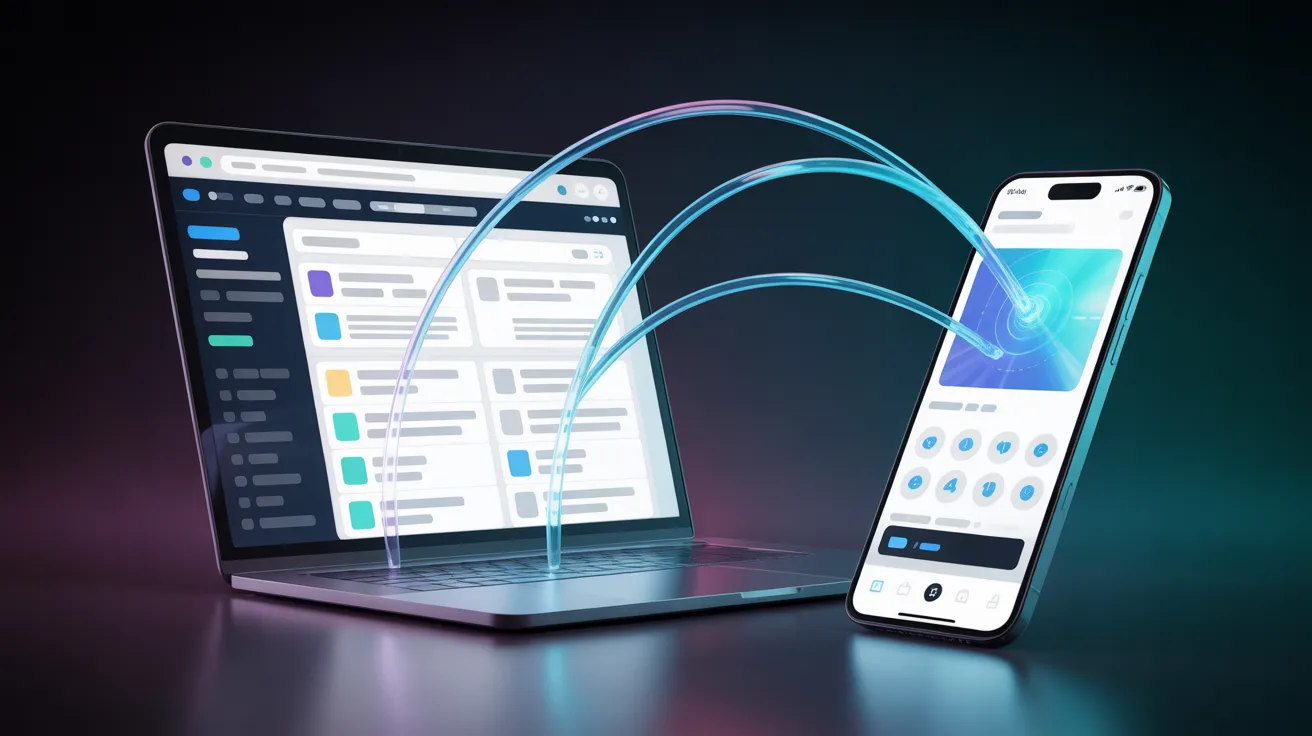
In the digital era, organizations constantly evaluate technology investments that strengthen customer engagement and operational efficiency. Choosing between web applications and mobile applications has become a crucial decision in shaping business growth strategy and digital transformation planning. Both web app development and mobile app development offer unique advantages that contribute to customer reach, brand visibility, and revenue generation. Web applications are browser-based platforms accessible across multiple devices without installation. Businesses benefit from universal accessibility, simplified updates, and lower development complexity. Conversely, mobile applications operate through native or cross-platform environments installed directly on smartphones or tablets. Mobile apps provide enhanced performance, offline access, and deeper device integration capabilities. Understanding differences between web applications and mobile applications is essential before committing resources. Decision-makers must analyze target audience behavior, budget constraints, scalability goals, and long-term digital strategies. Aligning application development choices with business objectives ensures technology investments yield measurable outcomes. Ultimately, selecting the right digital platform is not about choosing the superior option universally but identifying which aligns with business priorities. A comprehensive comparison of web vs mobile apps allows organizations to evaluate usability, cost, performance, and scalability before implementation. This strategic awareness lays the foundation for successful digital product development and sustainable growth. Web application developmentfocuses on building browser based software solutions accessible through internet connectivity. Unlike downloadable programs, web apps operate using HTML, CSS, and JavaScript frameworks combined with server-side technologies. These solutions prioritize accessibility, scalability, and cross-device compatibility. One significant advantage of web-based application development lies in platform independence. Users can access services from desktops, laptops, tablets, or smartphones without installing dedicated software. This accessibility expands customer reach and ensures consistent user experiences across different environments. Businesses seeking broad audience engagement often prefer web applications for this reason. Maintenance and updates also remain efficient with browser-based software solutions. Developers implement modifications centrally on servers, instantly reflecting changes for all users. This eliminates dependency on individual updates, reducing support costs and ensuring consistent functionality. Additionally, web application scalability supports growing traffic demands. Cloud hosting and distributed infrastructure enable performance optimization without major architectural shifts. Organizations experiencing fluctuating usage patterns benefit from flexible resource allocation. Security considerations further reinforce web application reliability. Advanced encryption protocols and server monitoring ensure sensitive information remains protected. By integrating authentication mechanisms and secure frameworks, businesses create trustworthy digital ecosystems. Web application development ultimately provides versatile and cost-efficient solutions supporting diverse operational needs. Mobile app development emphasizes creating native application experiences designed specifically for smartphone ecosystems. Native and hybrid application development approaches deliver optimized performance and personalized interactions tailored to mobile device users. As smartphone usage increases globally, businesses recognize mobile platforms as essential engagement channels. Native applications leverage device capabilities including camera access, GPS functionality, push notifications, and biometric authentication. These integrations enhance user engagement and enable interactive experiences unattainable through browser environments. Mobile apps strengthen customer relationships by providing real-time communication and convenience. Performance advantages distinguish mobile applications from web-based alternatives. Native code execution ensures faster load times and smoother animations. Users benefit from responsive interfaces supporting multitasking and offline accessibility. Enhanced usability contributes to improved satisfaction and retention rates. Mobile app monetization opportunities also attract enterprises. Subscription models, in-app purchases, and advertising frameworks create diversified revenue streams. Businesses offering personalized services leverage mobile ecosystems to maximize financial outcomes. Furthermore, branding opportunities expand through mobile presence. Application icons displayed on user devices maintain constant visibility, reinforcing brand recognition. This continuous exposure encourages repeated engagement and loyalty. Through strategic mobile app development, organizations create immersive digital touchpoints driving sustained user interaction. Comparing web apps and mobile apps performance user experience and accessibility highlights fundamental differences influencing technology adoption. Evaluating performance metrics, usability standards, and access capabilities allows organizations to determine optimal development pathways. Web applications prioritize universal accessibility. Users access services instantly without installation barriers, enabling faster onboarding. This simplicity encourages trial usage and facilitates customer acquisition. However, browser limitations may restrict responsiveness compared to optimized native environments. Mobile applications excel in user experience optimization. Tailored interface design ensures intuitive navigation and interactive feedback. Advanced gesture recognition and personalized notifications create dynamic engagement frameworks. These features enhance usability and strengthen emotional connections with brands. Performance outcomes vary significantly between platforms. Web apps rely on internet connectivity, affecting responsiveness during unstable network conditions. Mobile apps mitigate such limitations through offline functionality and local caching mechanisms. Reliability under diverse circumstances improves customer satisfaction. Accessibility considerations also shape development decisions. Web applications serve audiences lacking storage capacity or device compatibility for installations. Conversely, mobile apps cater to smartphone-centric populations prioritizing convenience and mobility. Balancing accessibility and engagement objectives determines strategic platform alignment. Ultimately, analyzing performance, user experience, and accessibility ensures informed decision-making. Organizations selecting platforms aligned with audience behavior maximize digital product effectiveness and customer reach potential. Cost analysis of web development vs mobile application development investment remains essential for budgeting strategies. Development expenditures encompass design, coding, testing, deployment, and maintenance. Comparing financial implications ensures resource optimization and return on investment. Web development typically requires lower initial investment due to unified platform deployment. Single application architecture eliminates need for multiple operating system adaptations. Businesses with limited budgets favor web solutions to achieve digital presence efficiently. Mobile application development involves platform-specific design considerations. Native development for different ecosystems may increase expenses. Testing across device variations and application store compliance further contributes to overall cost structures. Organizations must evaluate resource allocation carefully. Maintenance costs also differ between approaches. Web applications require centralized updates, minimizing distribution complexities. Mobile apps necessitate periodic releases through marketplaces, involving compliance procedures and user approvals. These factors influence ongoing operational budgets. Despite higher initial investment, mobile applications deliver long-term value through enhanced engagement and monetization opportunities. Evaluating financial trade-offs between immediate affordability and strategic benefits enables informed decision-making. Cost analysis ultimately aligns development choices with business sustainability objectives. Scalability and security considerations in web and mobile software solutions play critical roles in technology adoption. Digital platforms must support expanding user bases while safeguarding sensitive information. Strategic planning ensures both performance reliability and data protection. Web application scalability benefits from cloud infrastructure integration. Dynamic resource allocation accommodates fluctuating demand patterns. Businesses expanding operations rely on scalable architecture to maintain service quality. Mobile application scalability involves optimizing backend connectivity. Efficient synchronization between local data and central servers ensures seamless performance during usage growth. Developers incorporate modular frameworks enabling incremental expansion. Security mechanisms differ across platforms. Web solutions emphasize encryption protocols, secure hosting environments, and firewall monitoring. Continuous updates address emerging vulnerabilities effectively. Mobile applications require device-level protection measures. Authentication features including biometric verification and encrypted storage strengthen data confidentiality. Secure coding practices prevent unauthorized access risks. Integrating robust scalability and security measures fosters trust and reliability. Organizations prioritizing these elements establish resilient digital ecosystems supporting sustainable expansion and customer confidence. Choosing between web apps and mobile apps based on business objectives requires aligning technological capabilities with organizational priorities. Decision-makers evaluate target audience preferences, service complexity, and market positioning before implementation. Businesses prioritizing broad accessibility and rapid deployment benefit from web application adoption. Browser-based platforms attract diverse user demographics and facilitate quick entry into digital markets. Informational services and content distribution align well with web environments. Organizations emphasizing immersive engagement and personalized communication prefer mobile application development. Interactive features and offline accessibility enhance customer retention and satisfaction. Service-oriented enterprises leverage mobile channels to strengthen relationships. Hybrid strategies also offer balanced solutions. Combining web and mobile ecosystems maximizes reach and engagement simultaneously. Businesses integrate platforms strategically to address varied user expectations. Ultimately, aligning development choices with business objectives ensures optimal technology utilization. Evaluating goals, audience behavior, and competitive positioning guides effective digital strategy formulation and sustainable growth trajectories. Future trends in web and mobile application development technologies continue reshaping digital ecosystems. Emerging innovations influence platform capabilities and strategic adoption patterns. Organizations monitoring these developments maintain competitive advantage. Progressive web applications combine browser accessibility with mobile-like functionality. Enhanced performance and offline support blur traditional distinctions between platforms. Businesses benefit from unified development approaches. Artificial intelligence integration personalizes interactions across both environments. Predictive analytics and automated assistance improve user engagement. Intelligent features elevate customer experiences significantly. Cross-platform frameworks streamline mobile development processes. Shared codebases reduce resource requirements and accelerate deployment timelines. Efficiency improvements support rapid innovation cycles. Internet of Things connectivity expands application ecosystems. Smart devices generate interactive environments connecting physical and digital infrastructures. Businesses leverage integrated networks to enhance service delivery. Staying informed about technological trends ensures adaptability. Organizations embracing emerging tools maintain relevance and drive innovation within evolving digital landscapes. More Blogs: Why most businesses fail digitally & how can you avoid it Web vs mobile apps decision making for business success requires comprehensive evaluation of accessibility, performance, cost, scalability, and user engagement factors. Both development pathways offer distinct advantages contributing to digital transformation initiatives. Web applications deliver universal accessibility and efficient maintenance structures supporting rapid deployment. Mobile applications provide immersive experiences strengthening customer loyalty and interaction frequency. Selecting appropriate solutions depends on strategic priorities and target demographics. Ultimately, technology adoption should align with organizational vision and growth objectives. Businesses leveraging informed decision-making processes maximize digital investment outcomes and maintain competitive positioning. Thoughtful platform selection empowers sustainable expansion and long-term success within dynamic technological environments.Understanding Web Application Development and Browser Based Software Solutions
Exploring Mobile App Development and Native Application User Engagement
Comparing Web Apps and Mobile Apps Performance User Experience and Accessibility
Cost Analysis of Web Development vs Mobile Application Development Investment
Scalability and Security Considerations in Web and Mobile Software Solutions
Choosing Between Web Apps and Mobile Apps Based on Business Objectives
Future Trends in Web and Mobile Application Development Technologies
Smart IT strategies that help businesses generate consistent leads
How the right IT partner can 2x your business growthWeb vs Mobile Apps Decision Making for Business Success
About the author

Aman Gupta
Founder & CEO at InfoTechBrains, helping SMEs scale and reduce manual work with AI, automation and custom software.
View LinkedIn ProfileView profile & all posts →