How Custom Software Development Helps Businesses Scale Faster
Custom software development empowers businesses to scale faster by delivering tailored digital solutions designed for efficiency, automation, and growth. From workflow optimization to scalable architecture, discover how personalized software tools drive productivity, enhance customer experiences, and ensure long-term business success.
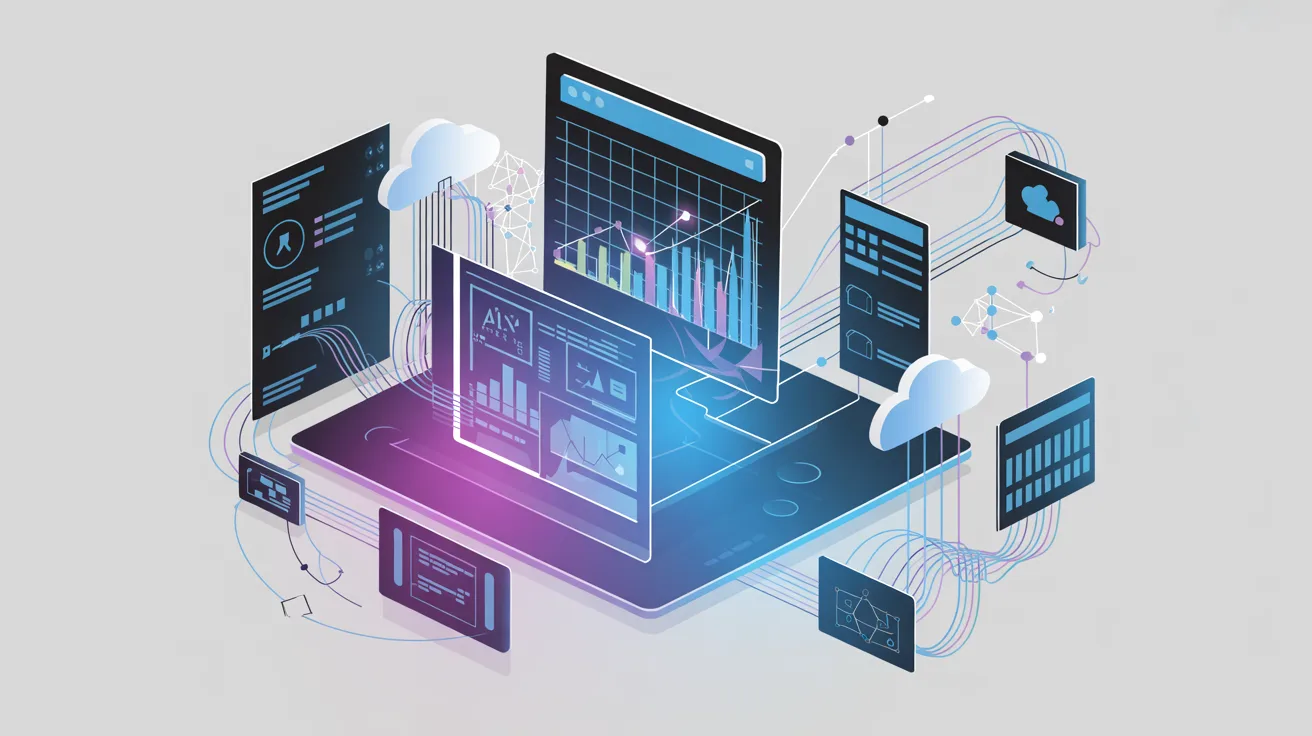
In today’s competitive digital landscape, businesses constantly search for ways to expand operations, improve efficiency, and stay ahead of competitors. One of the most effective strategies is investing in custom software development to enable faster business growth and scalability. Custom software development refers to the process of designing, building, deploying, and maintaining software tailored specifically to meet a company’s unique operational requirements. Unlike off-the-shelf solutions, which serve a broad audience with generalized features, custom software focuses on targeted functionality aligned with organizational goals. Companies aiming for long-term success must adapt to changing customer expectations, operational challenges, and technological advancements. Custom software solutions allow them to respond to these demands without being limited by rigid third-party platforms. By adopting scalable digital infrastructure and tailored application development, businesses can automate workflows, integrate systems, and enhance data-driven decision-making. This results in improved productivity and a stronger competitive advantage in dynamic markets. Furthermore, scalability is essential for organizations planning expansion. As customer bases grow and operations become more complex, systems must handle increased workloads without performance issues. Custom software architecture is designed with flexibility in mind, allowing seamless upgrades and feature enhancements. Ultimately, businesses that invest in customized application development position themselves to innovate continuously and sustain growth without unnecessary constraints. Custom software solutions provide enterprises with tailored application development benefits that standard software cannot match. When organizations adopt personalized digital tools, they gain direct control over functionality, security, and integration. Instead of adapting workflows to fit prebuilt platforms, businesses shape software around their operational needs. This alignment significantly enhances efficiency and user satisfaction across departments. One major advantage is precision in feature implementation. Tailored application development focuses only on necessary components, avoiding cluttered interfaces and redundant functions common in generic tools. Employees spend less time navigating unnecessary features and more time completing productive tasks. This improved workflow contributes to overall performance optimization and smoother communication between teams. Additionally, customized digital solutions support seamless integration with existing enterprise systems such as customer databases, accounting tools, or inventory management platforms. By connecting multiple data streams within a single ecosystem, companies eliminate silos and foster collaborative operations. Integration capabilities ensure accurate reporting, improved analytics, and streamlined resource management. Another critical benefit involves long-term adaptability. As industries evolve, businesses must update software capabilities to remain competitive. Custom software development allows iterative enhancements, ensuring applications evolve alongside organizational strategies. This adaptability prevents dependency on vendor-controlled upgrades and keeps digital assets aligned with changing objectives. Consequently, tailored application development becomes a strategic investment rather than a temporary technological fix. Scalable software architecture plays a vital role in supporting business expansion and operational efficiency. When enterprises experience growth, digital systems must accommodate increased user activity, larger data volumes, and expanding service offerings. Software built with scalability in mind ensures smooth transitions during such transformations. Effective scalable architecture emphasizes modular design, allowing developers to modify or extend individual components without disrupting entire systems. This modularity simplifies maintenance and accelerates feature deployment, ensuring minimal downtime. Businesses benefit from continuous service availability and reduced risk during updates. Cloud-based infrastructure further enhances scalability by offering flexible resource allocation. Instead of investing heavily in physical hardware, organizations leverage dynamic computing environments that adjust capacity based on demand. This approach supports cost efficiency while ensuring optimal performance during peak workloads. Moreover, scalable custom software promotes operational transparency. By incorporating advanced analytics and monitoring tools, businesses gain insights into usage patterns, bottlenecks, and performance metrics. These insights enable proactive optimization, allowing teams to address challenges before they escalate. Ultimately, scalable architecture strengthens resilience and preparedness. Organizations equipped with adaptable digital systems can confidently pursue new markets, launch innovative products, or onboard additional clients. This proactive readiness accelerates expansion and reinforces sustainable operational efficiency across evolving business landscapes. Workflow automation software and process optimization are key components of productivity enhancement in modern enterprises. Custom software development empowers organizations to automate repetitive tasks, reduce manual errors, and improve time management. Automation transforms traditional operations into efficient digital workflows that require minimal supervision. Automated solutions handle activities such as data entry, report generation, customer communication, and inventory updates. By delegating routine responsibilities to intelligent systems, employees focus on strategic initiatives that demand creativity and critical thinking. This shift improves job satisfaction while increasing organizational output. Process optimization also involves identifying inefficiencies and restructuring workflows for better performance. Custom digital tools analyze operational data and highlight areas requiring improvement. Decision-makers use these insights to redesign procedures, eliminating redundant steps and maximizing resource utilization. Furthermore, automation strengthens consistency across departments. Standardized digital workflows ensure uniform execution of tasks, minimizing discrepancies and enhancing quality assurance. This consistency improves customer experiences and reinforces brand reliability. The cumulative effect of workflow automation and process optimization is accelerated business scalability. Organizations achieve higher productivity levels without proportionate increases in workforce or operational costs. Consequently, customized automation software becomes a cornerstone of sustainable growth strategies and competitive positioning. Data driven decision making using business intelligence software and analytics tools is essential for companies seeking scalable growth. Custom software development integrates advanced analytics capabilities into organizational workflows, enabling real-time insights and strategic planning. Data transforms from passive records into actionable intelligence guiding informed decisions. Business intelligence platforms consolidate information from diverse sources such as sales transactions, customer interactions, and operational metrics. Centralized dashboards provide comprehensive visibility into performance trends, empowering leaders to evaluate outcomes accurately. This clarity supports proactive adjustments and targeted investments. Analytics tools also facilitate predictive modeling, allowing organizations to anticipate market shifts and consumer behaviors. By identifying patterns and forecasting outcomes, businesses reduce uncertainty and mitigate risks. Strategic planning grounded in predictive insights enhances confidence in expansion initiatives. Additionally, customized analytics ensure relevance to specific industry requirements. Generic reporting software may overlook niche performance indicators, whereas tailored solutions capture unique metrics vital to organizational success. This precision leads to more meaningful evaluations and optimized strategy execution. Ultimately, leveraging data driven decision making through business intelligence software accelerates scalability. Companies equipped with accurate insights respond swiftly to opportunities, refine processes continuously, and maintain alignment between operational actions and long-term objectives. Improving customer experience with CRM software integration and personalization features represents another major benefit of custom software development. Customer satisfaction is a fundamental driver of business scalability, and tailored digital tools strengthen relationships through efficient communication and personalized service delivery. CRM software integration centralizes customer data, enabling comprehensive interaction histories and behavioral analysis. Employees access detailed profiles containing preferences, purchase records, and support requests. This knowledge enhances responsiveness and fosters meaningful engagement with clients. Personalization features further elevate customer experiences by tailoring services and content based on individual needs. Customized recommendations, targeted marketing messages, and adaptive user interfaces create a sense of relevance and value. Customers feel understood and appreciated, encouraging loyalty and retention. Moreover, integrated CRM systems streamline support operations. Automated ticket routing, chat assistance, and knowledge bases reduce response times and ensure consistent service quality. Efficient issue resolution builds trust and reinforces brand credibility. As businesses scale, maintaining customer satisfaction becomes increasingly challenging. Custom CRM solutions ensure continuity in service excellence regardless of growth magnitude. By prioritizing customer experience enhancement through integration and personalization, organizations cultivate lasting relationships that drive sustained expansion. Cost efficiency and ROI advantages of custom software development investments often outweigh initial implementation expenses. While tailored solutions may require significant upfront resources, their long-term financial benefits justify the commitment. Custom software eliminates recurring licensing fees associated with subscription-based platforms, reducing ongoing operational costs. Optimized workflows and automation capabilities generate productivity gains that translate into measurable savings. Reduced manual labor, minimized errors, and streamlined processes decrease resource consumption. These efficiencies contribute to higher profit margins and improved financial sustainability. Furthermore, tailored digital systems support precise scalability planning. Organizations invest only in necessary functionalities rather than paying for unused features common in commercial software packages. Resource allocation aligns with actual business requirements, ensuring responsible budgeting. Another economic advantage involves longevity. Custom software solutions evolve through iterative enhancements, extending their operational lifespan. Businesses avoid frequent platform replacements and maintain continuity across technological transitions. Ultimately, evaluating ROI advantages demonstrates that custom software development is not merely an expense but a strategic financial asset. Companies leveraging tailored solutions achieve sustainable cost efficiency while reinforcing foundations for scalable growth. Future trends in custom software development and emerging technology adoption continue shaping scalable business ecosystems. Innovations such as artificial intelligence integration, cloud native development, and Internet of Things connectivity redefine operational possibilities. Organizations embracing these advancements position themselves for sustained relevance in evolving markets. Artificial intelligence integration introduces intelligent automation, predictive analytics, and conversational interfaces. Businesses enhance efficiency while delivering advanced customer interactions. AI powered insights strengthen decision making and foster innovation. Cloud native development supports distributed collaboration and rapid deployment. Microservices architectures and containerization streamline updates and enable resilient application performance. These methodologies accelerate responsiveness to changing requirements. Internet of Things connectivity extends digital intelligence to physical environments. Sensors and smart devices generate valuable operational data, enabling proactive maintenance and optimized resource management. Organizations leverage real-time monitoring to enhance productivity and reliability. Adopting emerging technologies through custom software development ensures adaptability and competitiveness. Enterprises remain prepared for technological evolution and capitalize on opportunities for differentiation. This forward-looking approach solidifies their trajectory toward accelerated and sustainable scalability. More Blogs: Why most businesses fail digitally & how can you avoid it Custom software development for faster business scaling strategies empowers organizations to transcend limitations imposed by generic digital tools. By investing in tailored solutions, enterprises enhance efficiency, strengthen customer relationships, and harness data driven insights. These capabilities collectively enable responsive adaptation to changing markets and internal growth demands. From workflow automation and scalable architecture to analytics integration and personalization features, customized software supports comprehensive transformation. Businesses achieve productivity improvements, cost optimization, and strategic clarity while maintaining control over technological evolution. Ultimately, scalability depends on agility, foresight, and innovation. Custom software development provides the infrastructure necessary to pursue expansion confidently and sustainably. Organizations embracing personalized digital ecosystems secure their position as adaptable leaders in competitive environments, ensuring long-term success and continuous advancement.Understanding Custom Software Solutions and Tailored Application Development Benefits
Role of Scalable Software Architecture in Business Expansion and Operational Efficiency
Enhancing Productivity Through Workflow Automation Software and Process Optimization
Data Driven Decision Making Using Business Intelligence Software and Analytics Tools
Improving Customer Experience with CRM Software Integration and Personalization Features
Cost Efficiency and ROI Advantages of Custom Software Development Investments
Future Trends in Custom Software Development and Emerging Technology Adoption
Smart IT strategies that help businesses generate consistent leads
How the right IT partner can 2x your business growthCustom Software Development for Faster Business Scaling Strategies
About the author

Aman Gupta
Founder & CEO at InfoTechBrains, helping SMEs scale and reduce manual work with AI, automation and custom software.
View LinkedIn ProfileView profile & all posts →